
Strategy
Combined Backlink Approach
Multiple backlink types were used together instead of depending on a single off-page method.
A structured off-page SEO process combining article backlinks, relevant profile links and directory citations to create more external discovery paths and strengthen the website's wider search presence.
The backlink work was approached as part of the website's wider SEO foundation, with the initial focus on improving discovery and building relevant external references rather than simply chasing a high link count.
Real client work: This approach reflects backlink and off-page campaigns delivered for real client websites, including full backlink packages built for service-based businesses. Client names are withheld here as those engagements were platform-brokered with no ongoing contact for permission to publish, but the underlying links are live and independently checkable via standard backlink-analysis tools.
In one such engagement, a one-month backlink package moved a client's Domain Authority from 7 to 14 (Moz) and its referring domains from 20 to 94 (Ahrefs/Semrush). This is a representative result from one short, platform-brokered project, not an ongoing named client.
Multiple backlink types were used together instead of depending on a single off-page method.
Create additional external routes through which search engines and users could discover important website pages.
Links and citations were treated as useful external references rather than a numbers-only backlink campaign.
Earlier technical problems had affected how effectively parts of the website were being discovered and indexed.
Technical fixes remained important, but off-page work could also create additional external paths leading back to useful pages and strengthen the website's broader presence across the web.
The backlink strategy therefore combined several link types, each serving a different purpose within the wider SEO process.
Instead of repeating the same type of link, the work used article placements, relevant profiles and business directory citations to create a more varied external footprint.
Relevant article opportunities were used to create contextual references pointing back to appropriate website pages.
The goal was to place links where they made sense within useful written content rather than inserting unrelated links solely for volume.
Relevant business and web profiles were completed with consistent website references where appropriate.
These helped create additional external references to the website while strengthening the business's broader online footprint.
Suitable directories were used to establish additional business citations and website references.
Submissions were treated as part of a diversified off-page strategy rather than as a substitute for higher-value contextual links.
The process focused on where links should point, whether the source was useful and how each external reference fitted into the broader SEO structure.
Important pages were identified before building links so backlinks were not repeatedly sent to arbitrary URLs.
Potential article sites, profiles and directories were reviewed for relevance and suitability before submission or placement.
Where contextual links were possible, destination pages were matched to the topic instead of linking unrelated content together.
Different link sources and natural anchor variations were used instead of repeatedly creating the same backlink pattern.
Created links and citations were tracked so their source, destination and status could be reviewed later.
The backlink work was considered alongside indexation and website discovery rather than being measured only by the number of links created.
Supporting visuals focus on actual placements, tracked links and submitted citations rather than generic backlink graphics.

Article-based links connected relevant external content back to appropriate website pages.
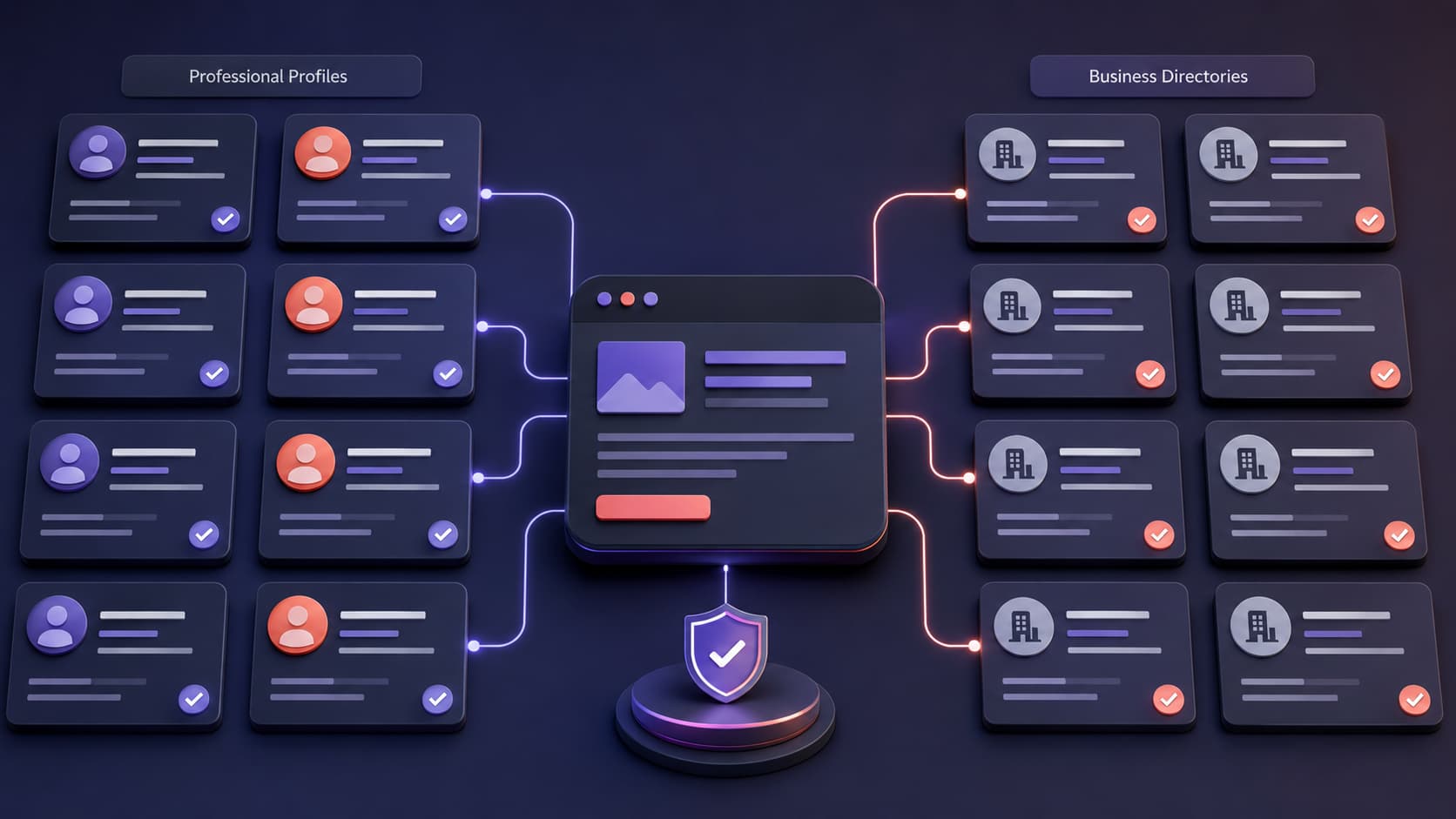
Relevant business profiles and directory listings added further external references to the website.
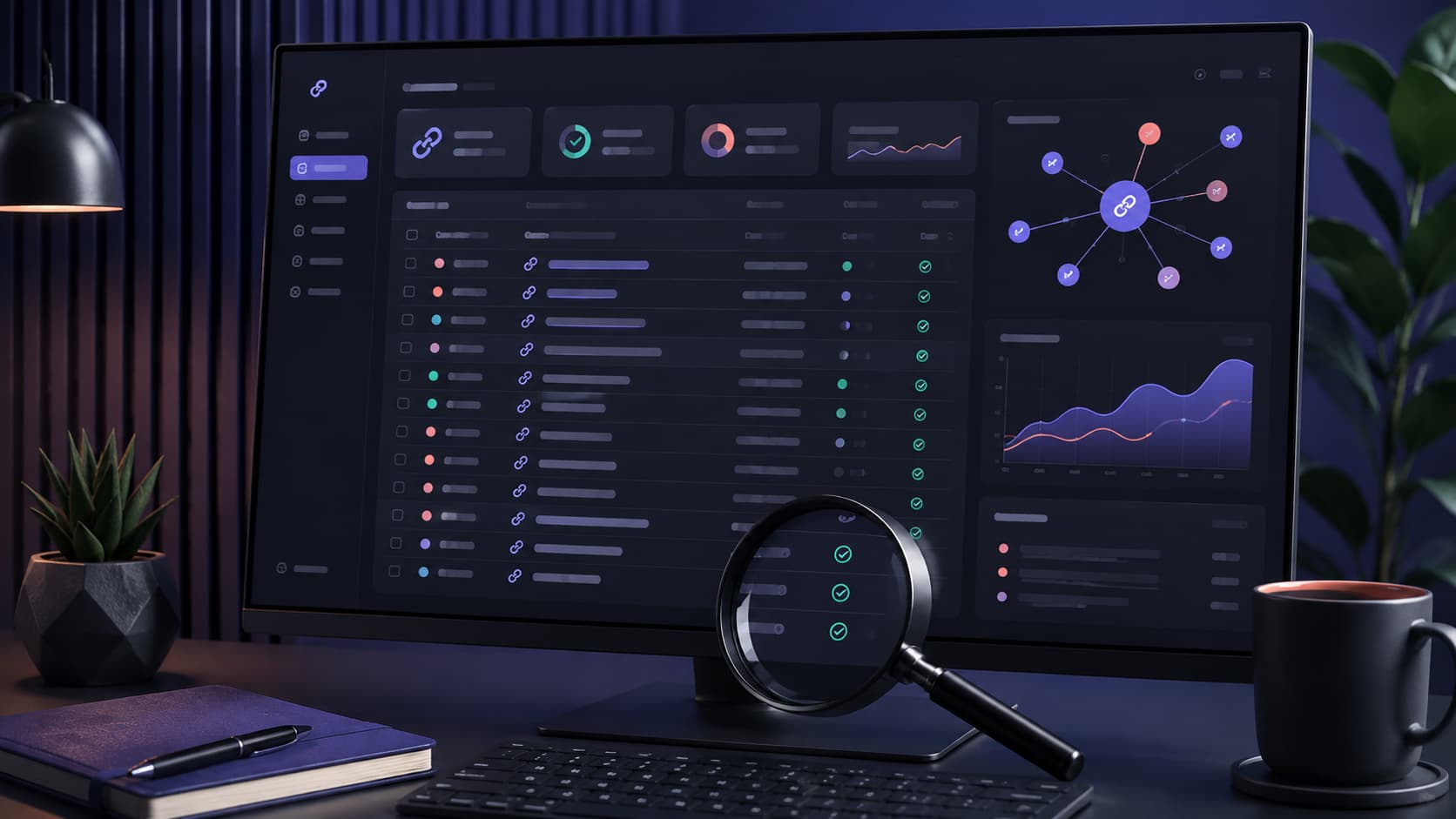
Illustration showing how backlink sources, target pages and placement status can be organized for monitoring.
Building external links does not automatically guarantee that every website page will be indexed.
Crawlability, internal linking, page quality, canonicalization and other technical conditions still affect whether search engines can properly process a page.
The backlink work therefore supported the wider SEO process by creating additional discovery routes and external references, while technical and on-site issues were handled separately.
The work created external references to selected website pages through contextual articles, profiles and directory listings.
Link records and target pages were tracked as part of the wider SEO work.
Indexing and ranking outcomes are evaluated separately from backlink creation and placement.
This page focuses only on the backlink strategy.
Technical auditing, keyword research, content writing, internal linking and other optimization work are presented separately so each process can be reviewed clearly.
RankSpheres can review your existing off-page presence, target pages and backlink opportunities to build a more relevant external link structure.